Today’s chosen theme: Composition Techniques for Scenic Hiking Photos. Pack your curiosity and lace up your boots as we explore field-proven composition ideas that turn trail moments into frame-worthy images. Comment with your favorite technique and subscribe for weekly trail composition challenges.
Rule of Thirds and Purposeful Balance on the Trail
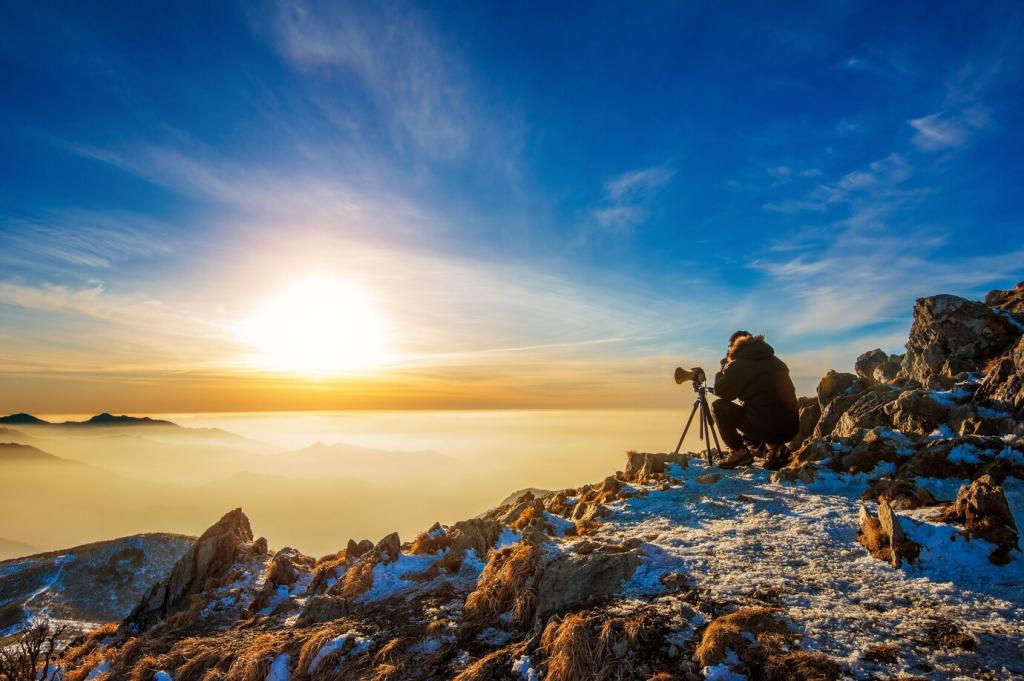
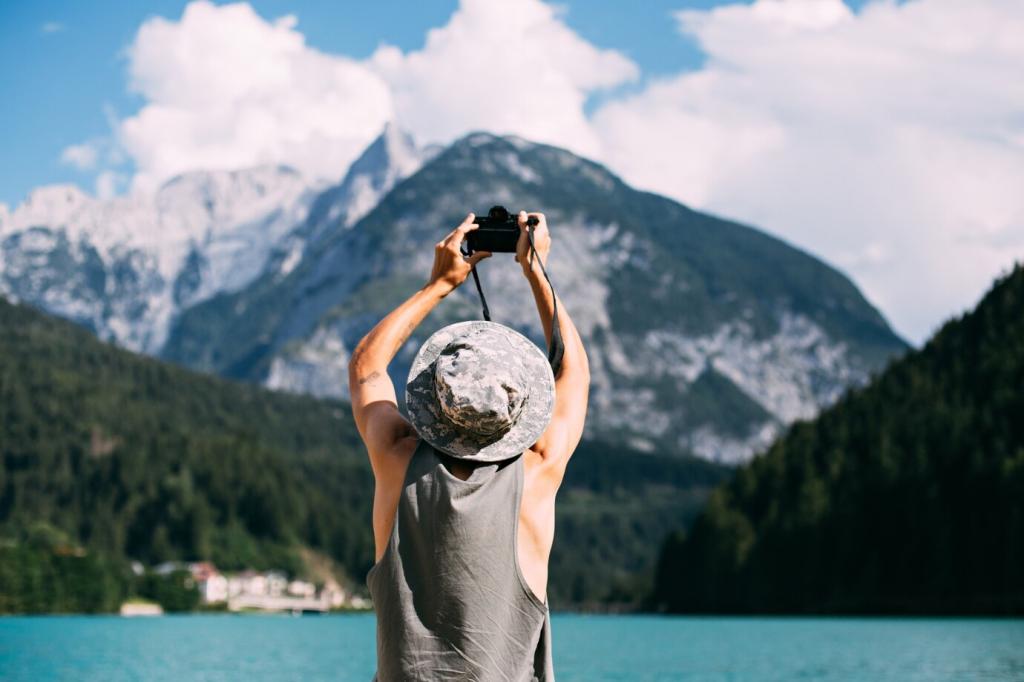
Shift the horizon to the lower third when the sky is dramatic, or the upper third when foreground textures matter. Place the dominant peak on a vertical third to add tension, guiding the viewer’s gaze without feeling forced.
Stand where the path aligns with the distant peak, allowing the trail to act like an arrow. A low stance exaggerates the line, creating a satisfying pull from boots to skyline that feels irresistibly adventurous.
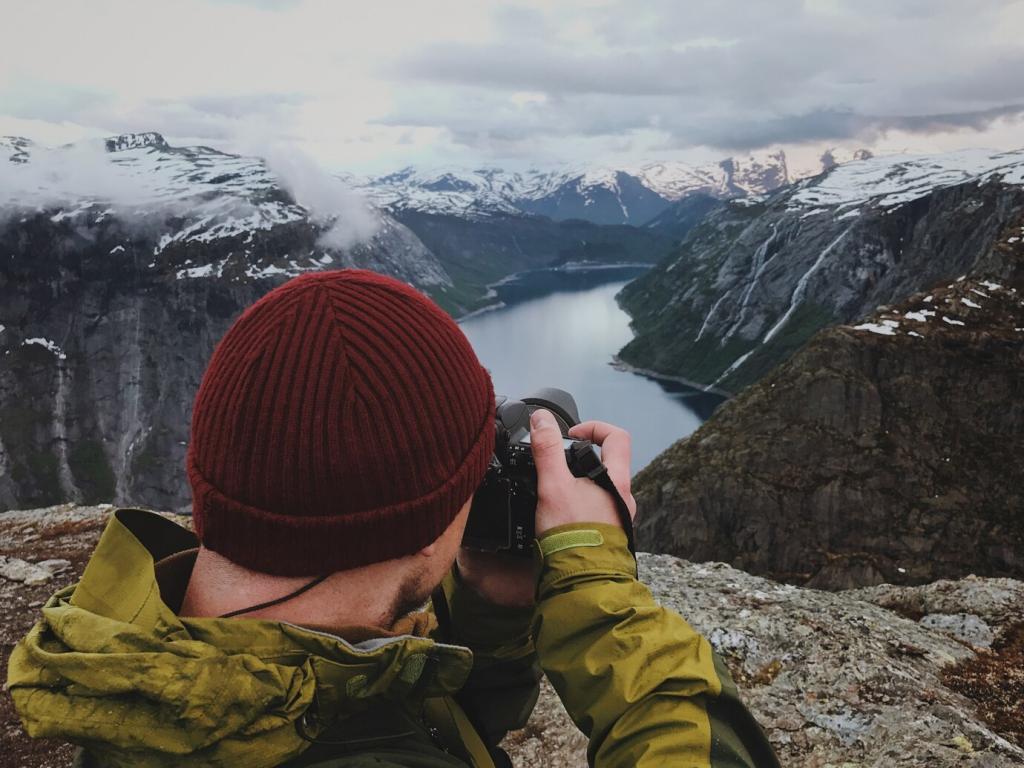
As distance increases, contrast fades and tones cool. Stack ridgelines diagonally to showcase receding layers. This natural gradient adds dimension and suggests the miles between your boots and that far-off jagged skyline.
Layering and Scale in Mountain Vistas
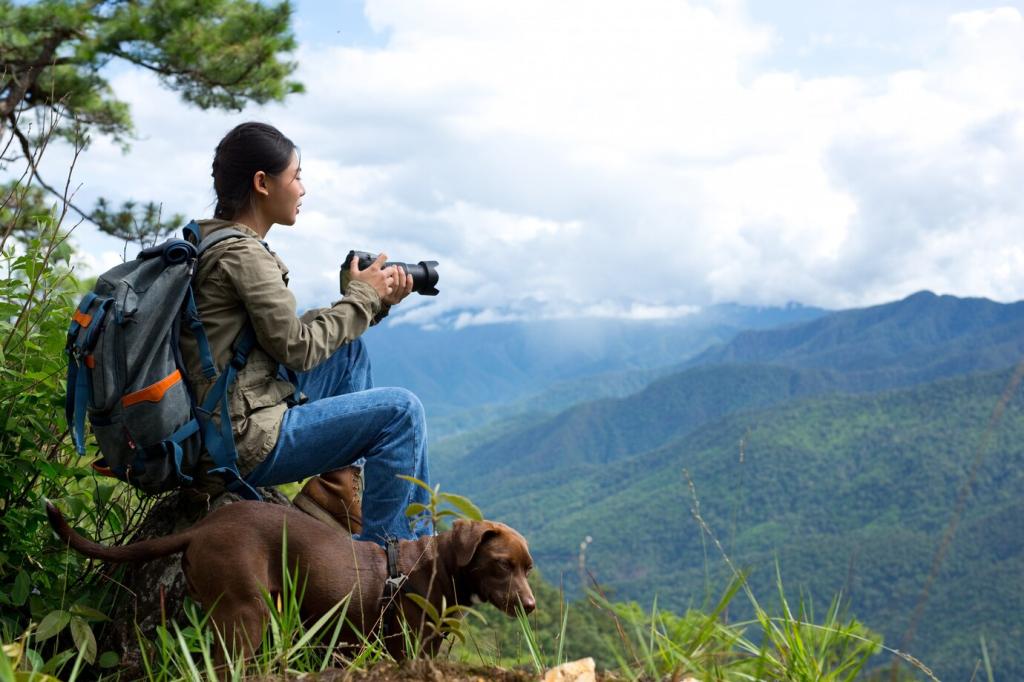
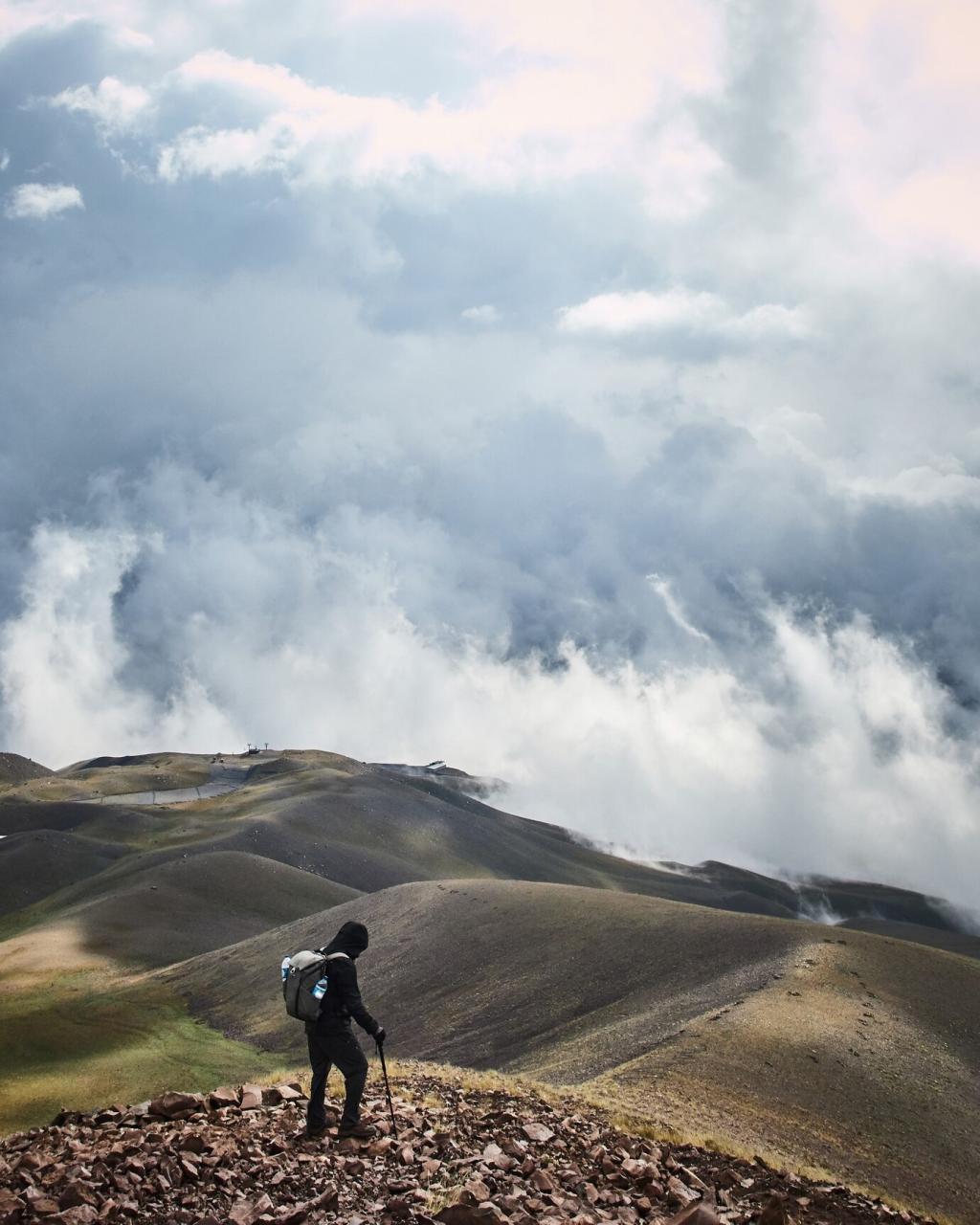
Ask a friend to pause on a distant switchback. A small human element clarifies grandeur and creates a narrative anchor, transforming anonymous peaks into a personal journey viewers can imagine taking themselves.
Layering and Scale in Mountain Vistas
Backlight for Glow and Trail Highlights
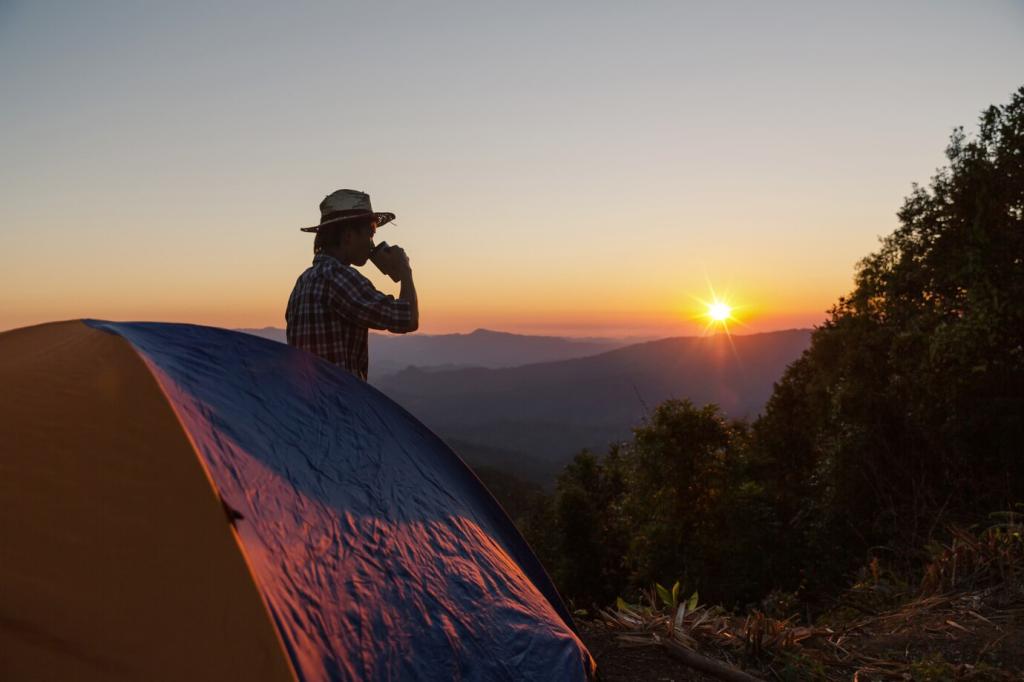
Shoot toward the sun when it is low. Backlit wild grasses rim with fire, and dusty footpaths gleam like ribbons. This luminous edge guides the eye and turns ordinary switchbacks into glowing storylines.
Spotlight Through Moving Clouds
Wait for cloud breaks to spotlight a summit or meadow. That shifting pool of light becomes your subject, isolating key elements and creating a theatrical moment that rewards patience and careful framing choices.
Embrace Fog for Minimalist Drama
Fog simplifies backgrounds, erasing distractions and clarifying shapes. Frame a lone tree and faint trail sign emerging from mist to create negative space and mood, a composition that whispers rather than shouts for attention.
Framing, Symmetry, and Natural Vignettes
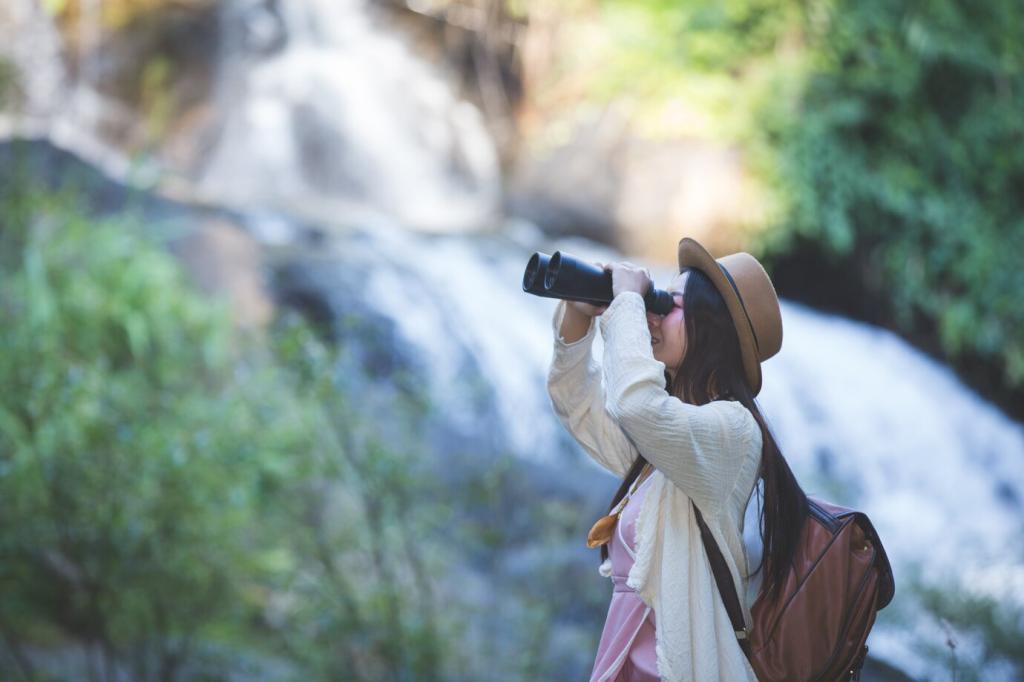
Step beneath leaning pines or a natural arch to cradle your subject. This framing adds context and depth, transforming a distant mountain into a portrait nestled within the textures of the trail itself.
Framing, Symmetry, and Natural Vignettes
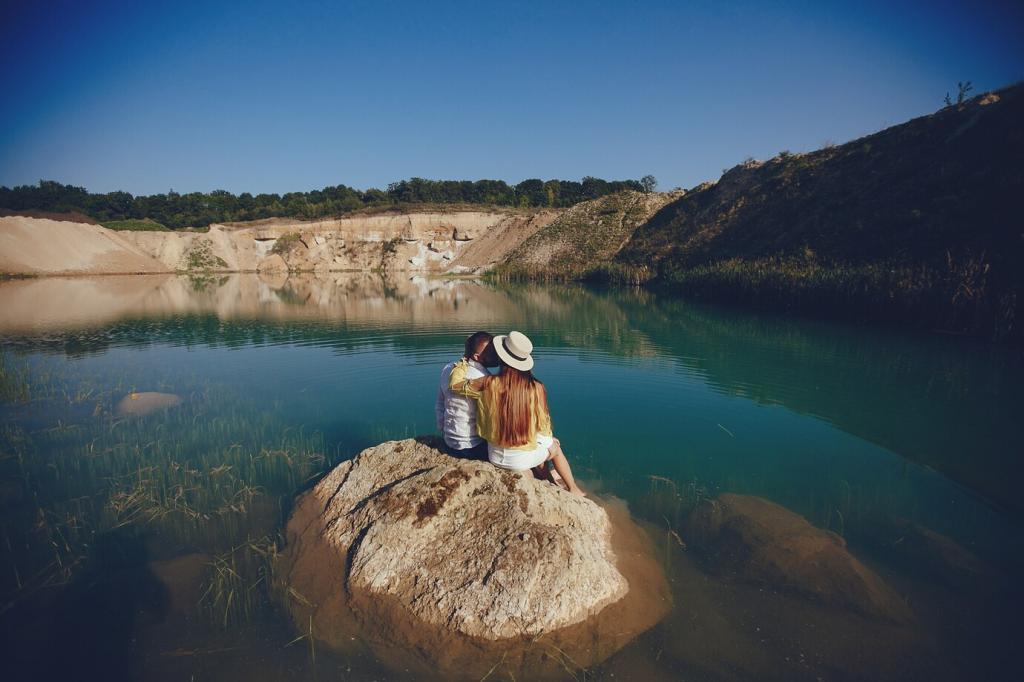
At sunrise, alpine lakes can mirror peaks with painterly stillness. Place the horizon through the center for strong symmetry, then nudge a rock or reed into the foreground to add a subtle asymmetrical counterpoint.
Storytelling, Sequences, and Community Engagement
Three-Beat Narrative: Approach, Summit, Exhale
Compose a series: the trail leading in, the triumphant peak view, and the quiet descent. Each frame should carry a distinct compositional idea while connecting emotionally, encouraging viewers to follow your journey step by step.
Before-and-After Reframes for Learning
Share an initial snapshot beside your refined composition. Explain how shifting to include foreground or aligning a trail line transformed the image. Invite readers to post their versions and discuss what changed emotionally.