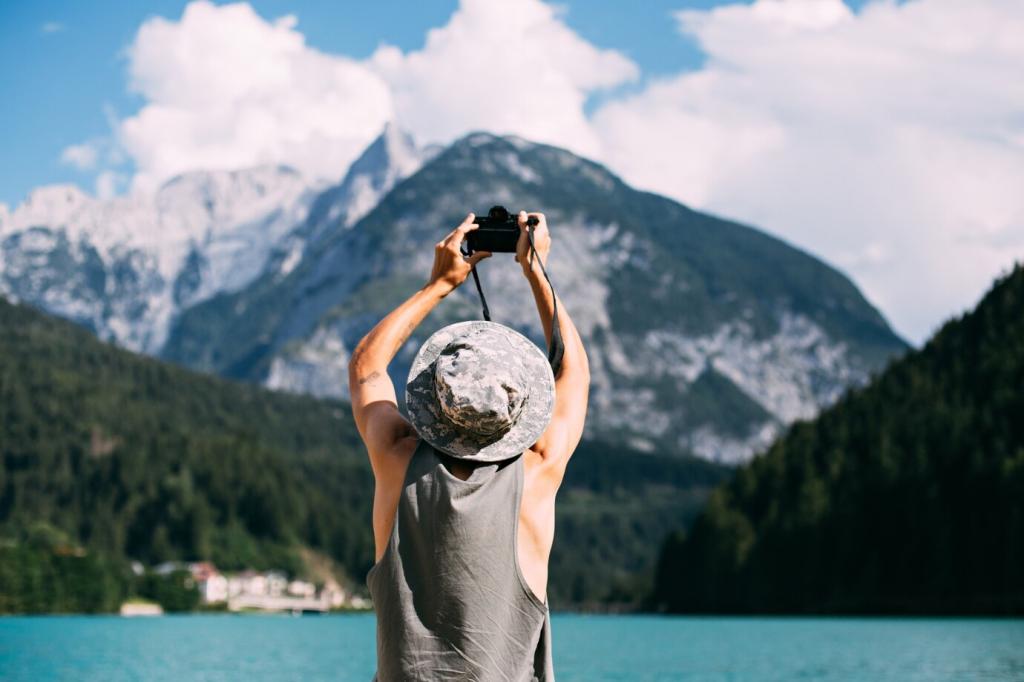
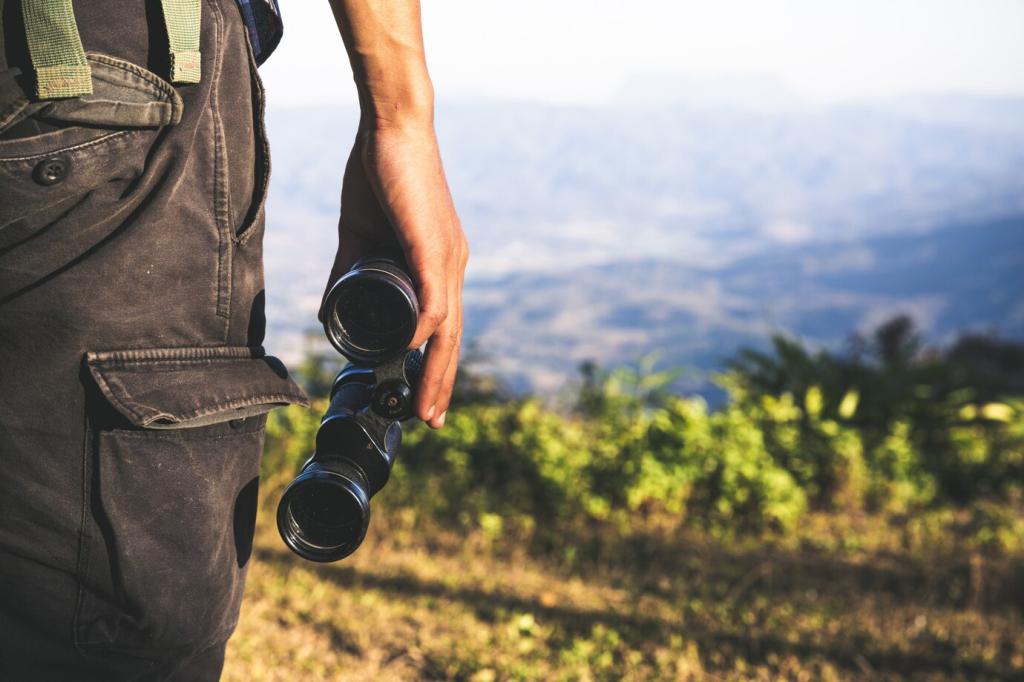
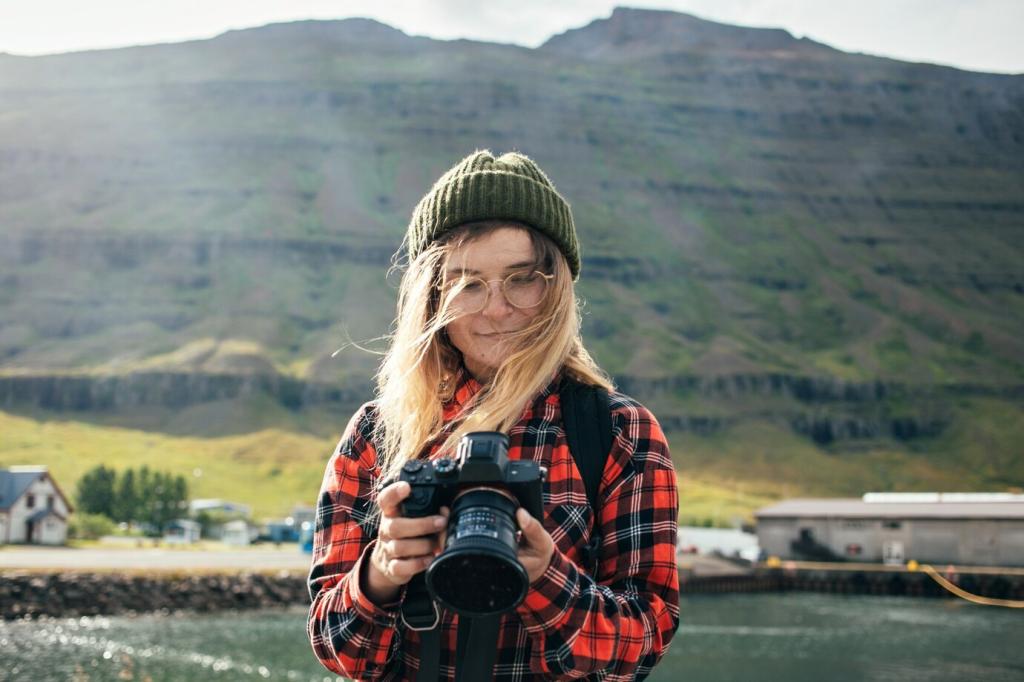
Chosen theme: Essential Gear for Hiking Photography. Pack smarter, hike safer, and capture more—discover a field-tested kit that balances weight, reliability, and creative freedom, with real trail stories and practical checklists you can put to use today.
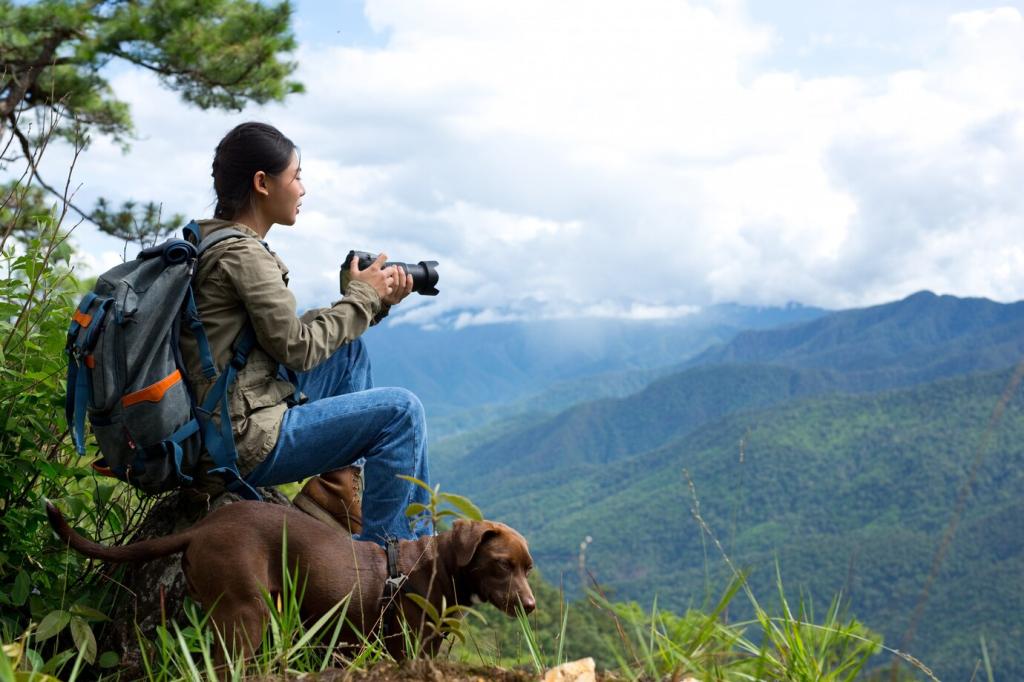
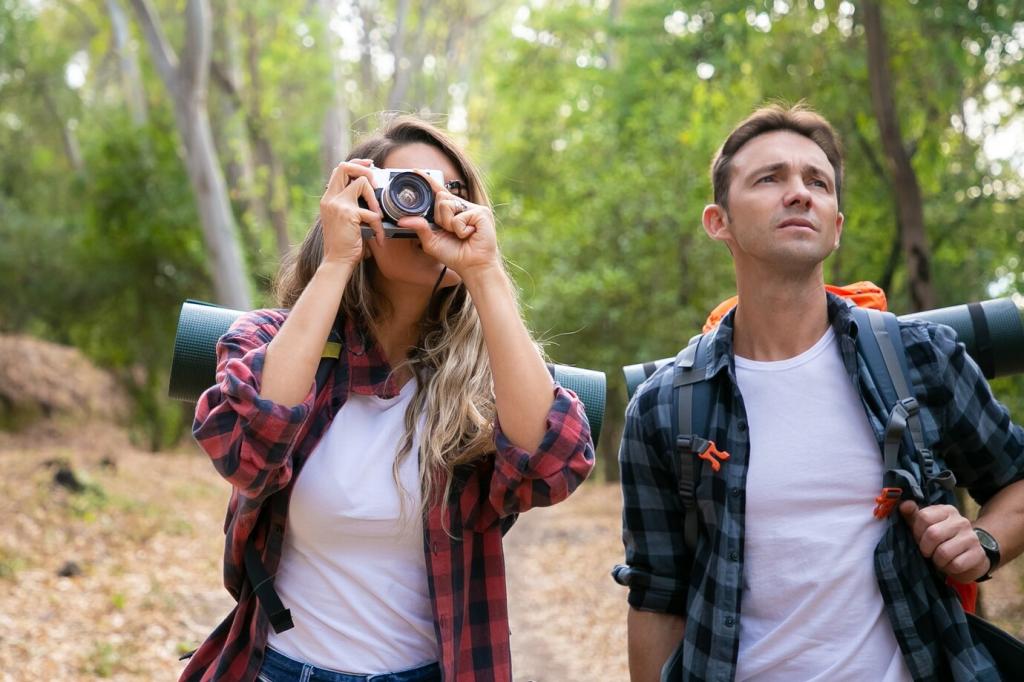
Measure your torso length, pick a supportive hip belt, and adjust load lifters so weight rides your hips, not your shoulders. Pair a hiking pack with a padded camera insert to stabilize lenses, reduce bounce, and protect gear on rocky descents.
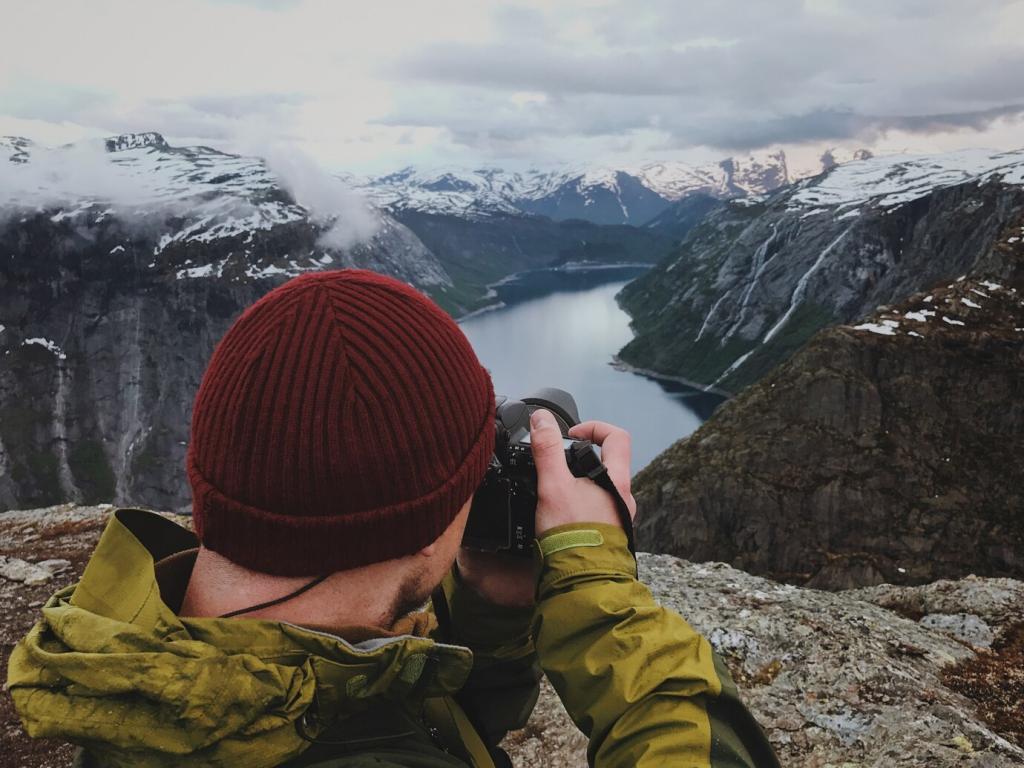
Seconds matter at golden hour. A chest rig or capture clip keeps your camera ready while you climb. Side holsters and sling straps allow one-handed lens changes without removing your pack, preserving momentum and creative flow between viewpoints.
On a windy pass, a rainbow flashed across a glacial lake. My camera, clipped to the shoulder strap, was in my hand in two seconds. That convenience turned a fleeting moment into my favorite print of the season.
Look for weather-sealed bodies with in-body stabilization to calm hand‑held shots on ridgelines. Favor efficient sensors and larger batteries for cold mornings. Test grip ergonomics with gloves, because comfort determines whether you actually pull the camera out.
Label batteries A, B, and C. Keep spares warm in an inner pocket near body heat. Rotate as voltage dips, returning the cold one inside. Even partially depleted cells revive after warming, buying precious frames when frost stings your fingers.
Covers, Dry Bags, and Silica Gel: Keep Sensors and Cards Safe
Pack an ultralight rain cover, a roll‑top dry bag for the camera insert, and silica gel to manage condensation. Change lenses under a jacket hem, point mount down, and stash used cards in a sealed pouch for redundancy and order.
Gloves, Layers, and Rain Shells That Work With a Camera
Choose liner gloves with grippy fingertips, then add a windproof shell mitten when waiting for light. Avoid noisy fabrics near mics. A breathable rain shell keeps you shooting longer instead of hiding, turning fickle weather into a dramatic collaborator.
The Tiny Repair Kit That Prevents Big Headaches
Tuck gaffer tape, zip ties, a spare tripod plate, microfiber cloths, and a small multi‑tool into a zip bag. These weigh almost nothing and fix rattling clips, squeaky straps, loose screws, and foggy filters before small annoyances ruin focus.
Navigation, Light, and Safety for Photographers
Maps, Offline Apps, and GPS Beacons for Remote Trails
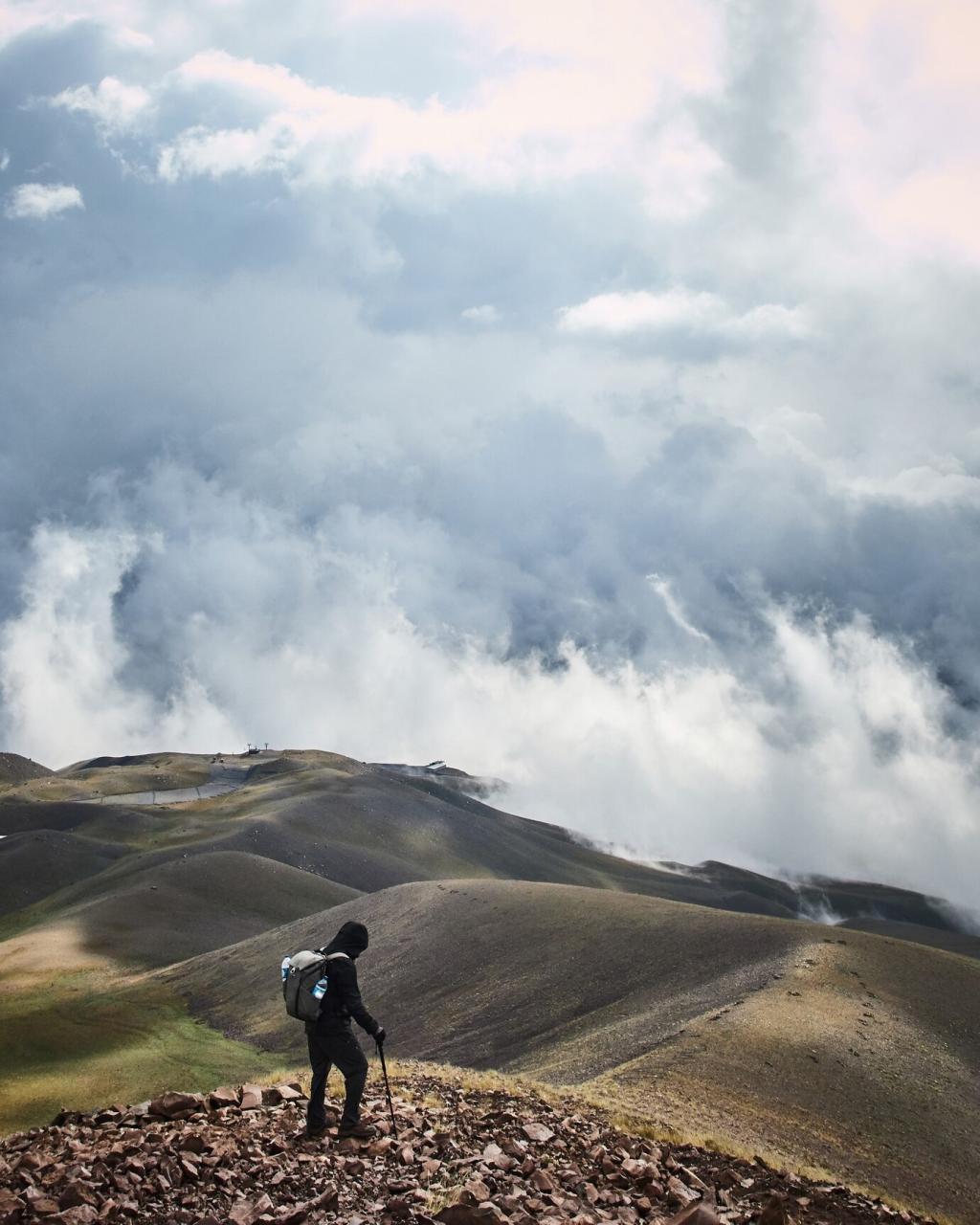
Download offline topo maps and satellite layers before leaving service. Carry a paper map as backup, and a Personal Locator Beacon for emergencies. Waypoint sunrise spots during the approach so you can return efficiently without guesswork or stress.
Headlamps and Color Temperatures for Focus and Composition at Night
Pick a headlamp with a warm flood for comfort and a cool spot for focusing on distant features. Red mode preserves night vision. Keep spare batteries insulated, and angle the beam to avoid lens flare during long exposures or timelapses.
First Aid for Creators: Blisters, Straps, and Twisted Knees
Add blister pads, kinesiology tape, and a compact elastic bandage to your kit. Adjust strap routing to prevent numb fingers. Small interventions keep you steady enough to descend safely after a late blue hour on technical terrain.
Card Speeds, Buffers, and File Formats for Burst and Bracketed Shots
Use UHS‑II or CFexpress cards to clear buffers quickly when bracketing or shooting wildlife. RAW plus JPEG can help rapid sharing, but prioritize consistent filenames and folders so you never overwrite critical frames during a rushed break.
On-Trail Backup: Phone, SD Reader, and Rugged SSD Strategy
A tiny SD reader lets you offload to your phone, then mirror to a rugged SSD in camp. Keep the SSD in a separate dry bag from your cards, creating true redundancy if a river crossing or storm goes sideways.
Share Your System: Community Wisdom Makes Kits Better
What’s in your hiking photography kit right now, and why? Share your hard‑won gear lessons in the comments, subscribe for printable checklists, and tell us which item saved your shot so others can learn before their next trail.